
Elephants
Ask Our Guides: Your African Wildlife Questions Answered

Ever wondered why lions have manes or why leopards seem to spend so much time in trees? Maybe you’ve found yourself questioning how guides know a track is fresh, or why some animals are spotlighted at night while others are left in the dark.
Our guides hear these questions all the time - usually somewhere between a coffee stop and a sighting! So, we thought it was time to put guides James and Khutso from Misava, and JV and Lola of Amani, to the test. In this new Ask Our Guides series, they tackle some of the wildlife questions guests ask most often and share a little insight into the fascinating world of the African bush.
Trunks, Tusks & Tiptoes: The Remarkable Anatomy of Elephants

Elephants are some of the most iconic animals on the planet, and encountering them on safari is always a powerful moment. But beyond their size and presence lies a world of incredible adaptations that help them thrive in their environment. From their trunks to their toes, every part of an elephant has evolved to serve a specific purpose—and the results are nothing short of remarkable. Here are five fascinating facts about elephant anatomy that might just make you appreciate these gentle giants even more.
Elephant families and the rise of multi-generational safaris
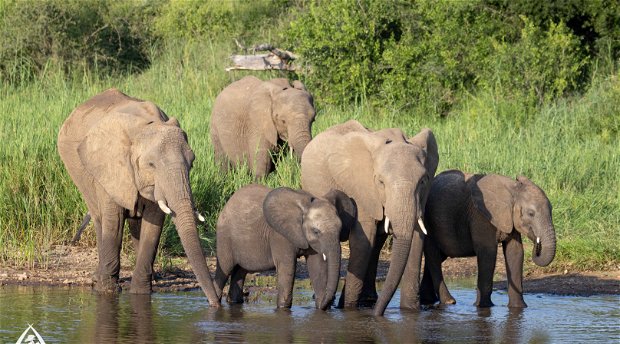
Did you know that most animals don’t have grandmothers? At least not in the way that we, as humans, do. Elephants, however, are one of the few species with whom we share this trait. Research shows that elephants born to young mothers are up to eight times more likely to survive if their grandmother is around. Wisened by years of child-rearing, leadership and life experience, elephant grandmothers are a critical support system and source of guidance to their families. Not unlike us.



Share This Page