


Planning a South African safari often starts with one big decision: should you stay in the Kruger National Park itself, or choose a private game reserve?
Ask Our Guides: Your African Wildlife Questions Answered
Posted by Emily on Wed May 27, 2026 in Wildlife and Safari Factfile.

Ever wondered why lions have manes or why leopards seem to spend so much time in trees? Maybe you’ve found yourself questioning how guides know a track is fresh, or why some animals are spotlighted at night while others are left in the dark.
Our guides hear these questions all the time - usually somewhere between a coffee stop and a sighting! So, we thought it was time to put guides James and Khutso from Misava, and JV and Lola of Amani, to the test. In this new Ask Our Guides series, they tackle some of the wildlife questions guests ask most often and share a little insight into the fascinating world of the African bush.
Why do lions sleep so much?
James: A generally accepted statistic is that lions sleep for 16-20 hours a day, as a guide I can attest to this. But why so much beauty sleep? Firstly, lions are highly energy-conscious and avoid wasting calories on unnecessary movements. The African sun also plays a huge influence - lions tend to rest in shade during the hottest parts of the day, preventing overheating and reducing stress. Moreover, they are ambush predators of large prey items thus have no need to wander distances grazing/browsing all day like a herbivore or omnivore would. Digestion also plays a role, eating up to 30kg of meat in a sitting can initiate much needed lethargy. Finally, apart from large animals such as elephants, buffalo, and rhino occasionally displacing them from resting spots, groups of adult lions face considerably fewer threats than many other species, allowing them to spend much of their time resting safely.
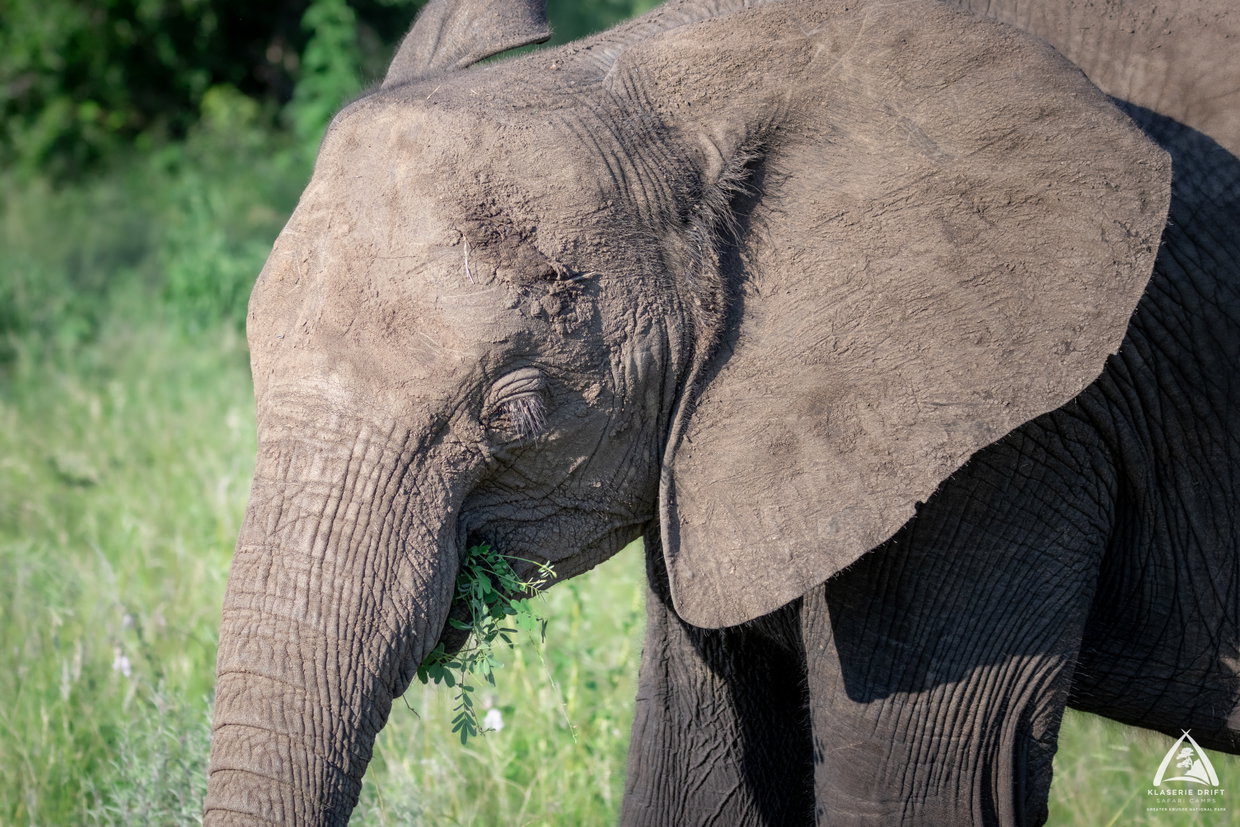
Why do elephants flap their ears?
Lola: Elephants flap their ears as a natural air-conditioning system, helping them to regulate their body temperature. Because of their massive bodies, they generate a lot of metabolic heat – and they lack sweat glands – so they use their large ears to release this excess heat. It works like a radiator – when the elephant gets hot, warm blood is pumped into the thin skin of the ears, which are packed with lots of blood vessels. As it flaps its ears, a cool breeze passes over the surface of the ears, lowering the temperature of the blood before it goes back to the centre of the body.
How can you tell how fresh a track is?
JV: When you look at a track, you must take into account both the weather and the substrate to help you decide how fresh it is. For example, in the wet season, we can use rainfall to age our tracks. In dry weather, if you press your finger into the ground it will lift a very fine layer of dust. But, when it has been drizzling, the tracks remove the dust unevenly, depending on where the moisture lands. We can use that detail to know whether the animal walked there when it was dry or drizzling and compare to recent weather patterns. When it has been obviously wet, you can also compare how much the track has started to dry out. Other factors, such as the presence of other tracks on top of the one in question can also help signify age.
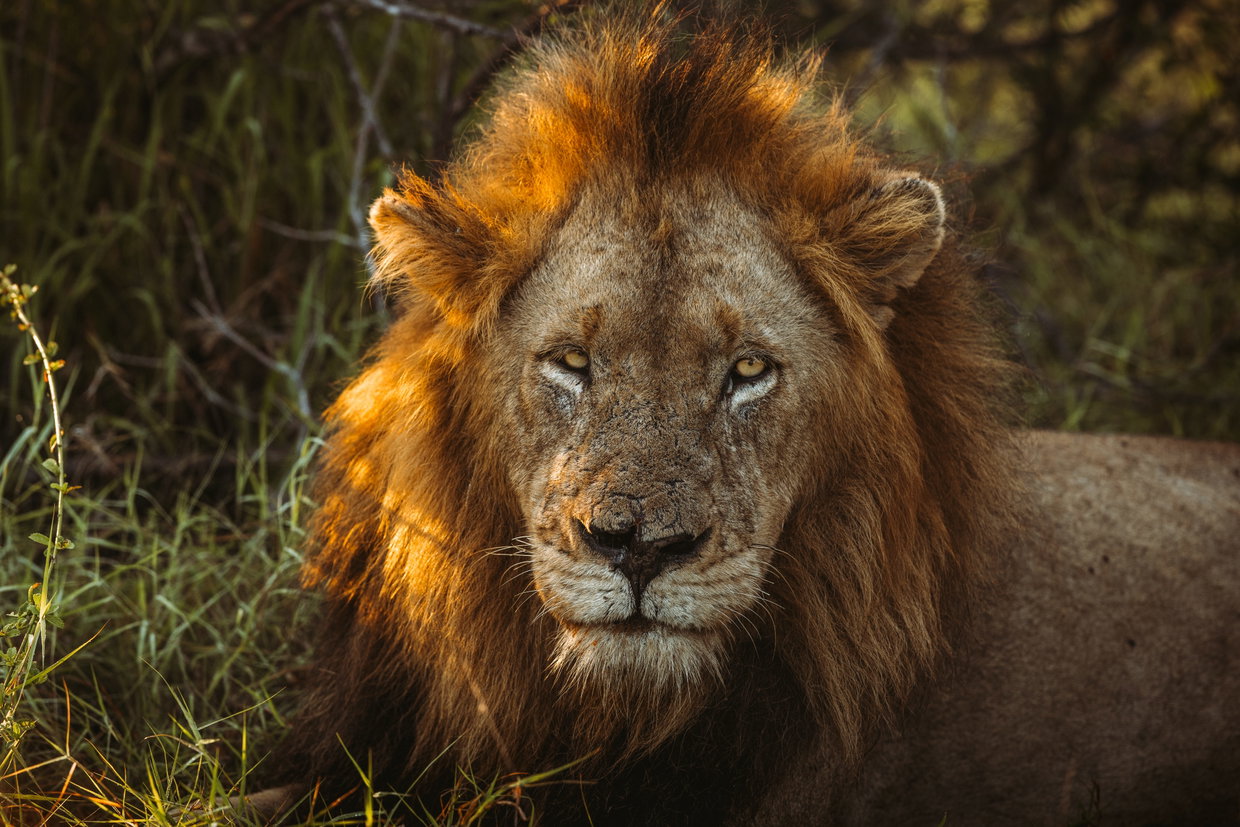
Why do male lions have manes?
Lola: There are lots of reasons lions have manes – one of them is for protection. A mane acts like armour, protecting the lion’s main sensitive areas, such as the head and throat, from a rival male’s teeth and claws. It also acts as an attracting feature for mates. It is a visual indicator of genetic fitness, so lionesses prefer darker and denser manes – signifying well-nourished males with higher testosterone levels. Lastly, it can also intimidate rival males by making the lion look bigger, helping to avoid a potentially dangerous fight.
Why do you only use a spotlight on certain animals at night?
Khutso: We can’t use a spotlight on all animals – only on nocturnal creatures as they have a membrane in their eyes called a tapetum lucidum. This reflects light from behind the retina, working like a mirror, and so doesn’t disturb their vision. For other animals, it can cause temporary blindness and disorientation, leading to stress and possibly them being predated on unfairly – which we don’t want to do!
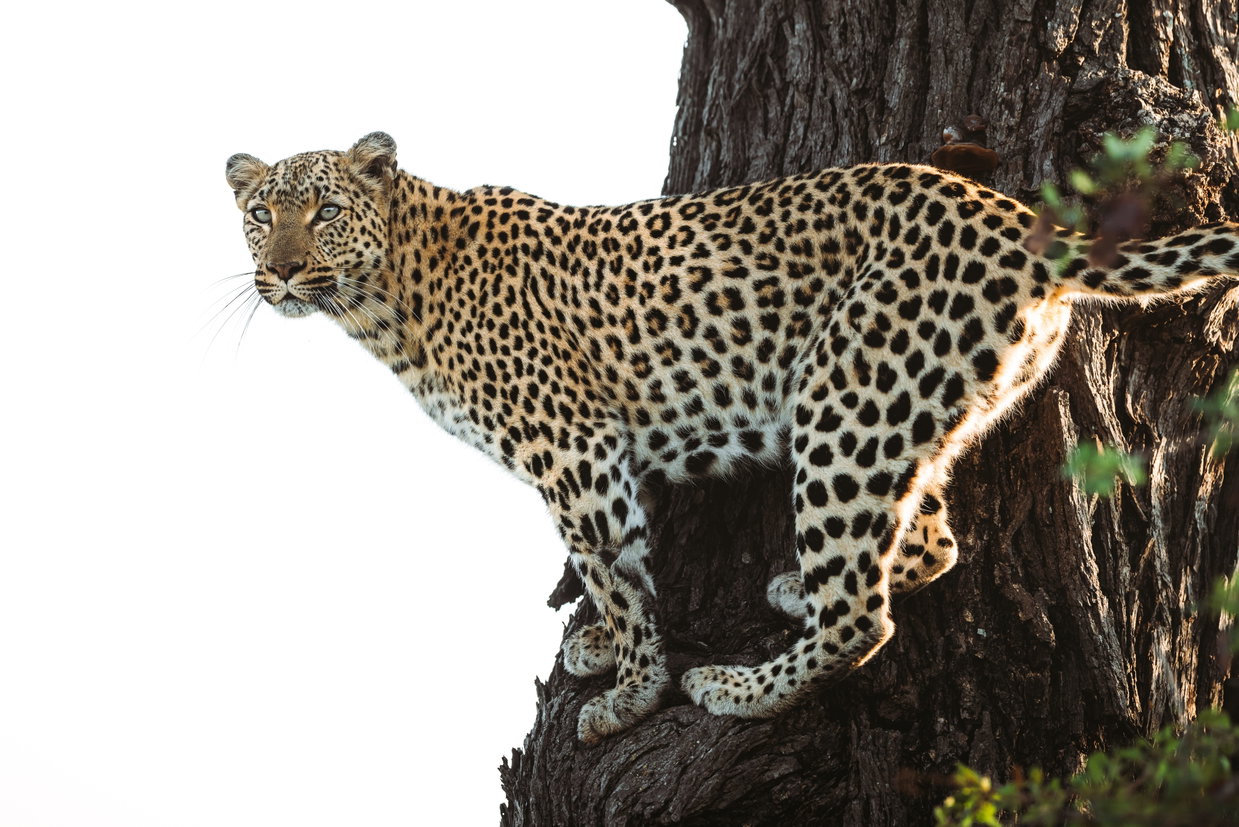
Why are leopards always in trees?
JV: Leopards are more fragile than some other predators – but also much more agile due to their unique anatomy. So, one reason they climb is to cut off the competition. High up a tree, they can’t be disturbed or pressured by larger predators. Plus, they can use their height advantage to see much further away and search for prey to hunt.
How do giraffes sleep?
James: Although the highest in the bush (ignoring flying fauna and tree climbers), they are not the highest on the food chain - Giraffes are frequently hunted by lions, especially in the Klaserie. Therefore, they require only about 30 minutes of sleep a day, meaning these tall herbivores are possibly the shortest sleepers in the bush. A standing power nap of about 1to 5 minutes is common practice in the giraffe world, locking their knees in place and often half-closing their eyes. They may also rest by bending at the knees, ‘sitting’ in what looks like an upright yoga pose. The immense blood pressure required for a giraffe’s morphology would fatally impact the brain is the head remained lowered for too long. This raises the next question, how can you properly rest if you’re constantly holding your neck up. Well, thanks to the ingenuity of evolution, giraffe’s have a thick ligament (like a heavy-duty rubber band) called the ‘nuchal ligament’ which passively maintains an upright position of the neck thus, even when resting, their heads do not drop. To bend their neck or lower their head, the giraffe must actively contract muscles on the underside of the neck.
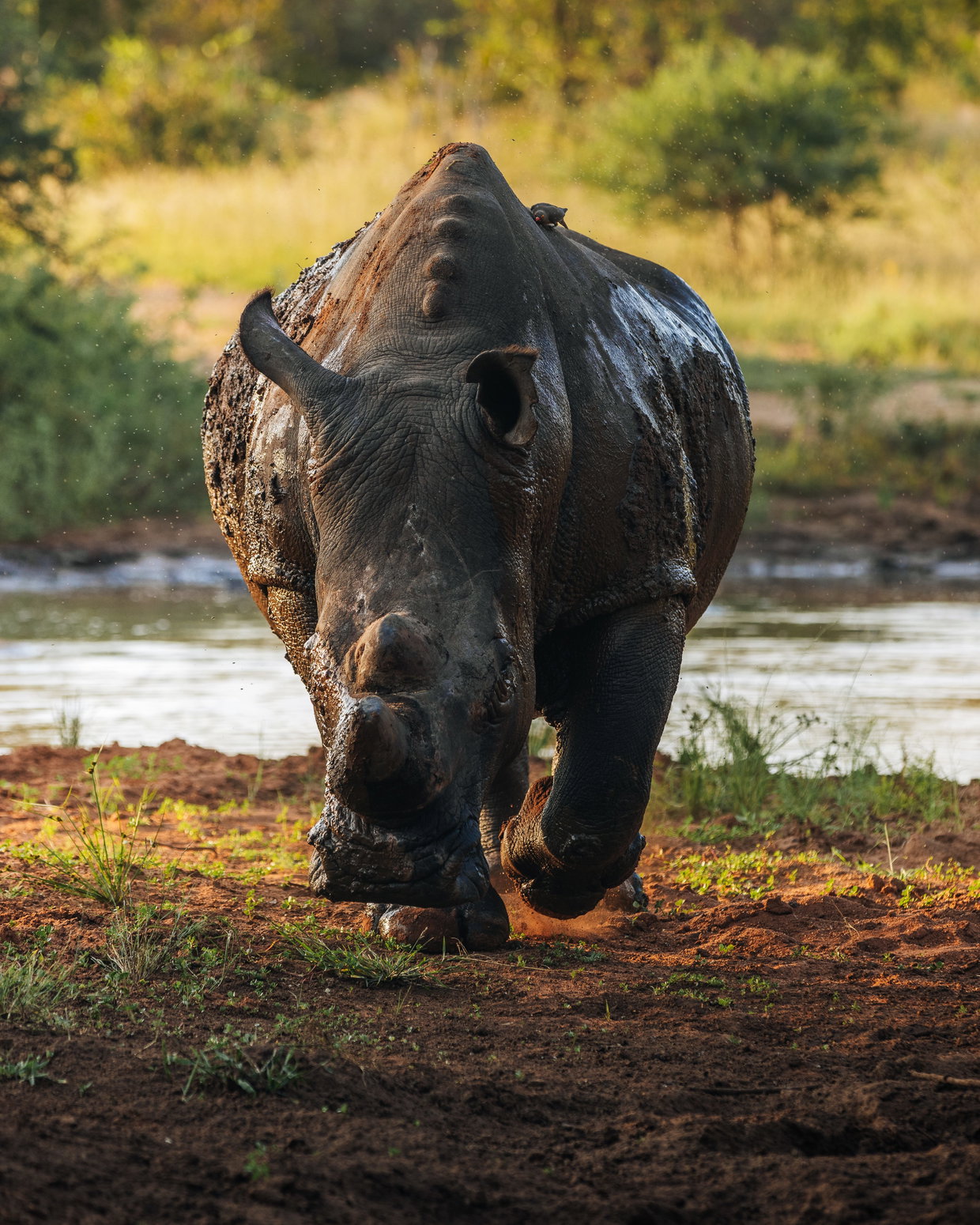
Why are white rhinos more common to see than black rhinos?
Khutso: In Southern Africa, we have more open savanna grassland than thickets – which is where White rhino thrive better as they eat grass, and so become easier to spot. Black rhinos eat leaves and so tend to stick to thickets, making them generally more shy and difficult to spot. Unfortunately, Black rhinos are also more endangered, with significantly fewer animals in the area, due to their horns being preferred by the illegal wildlife trade.
Further Reading

Kruger National Park vs Private Game Reserve: Which Safari Is Right for You?
Tue October 6, 2026
Read This Article
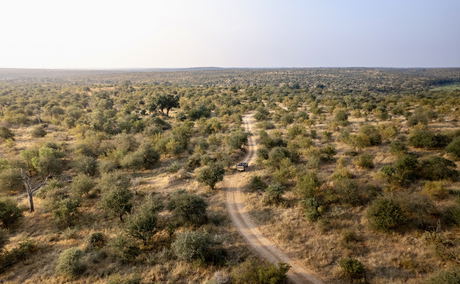
Guide to Game Drives: Frequently asked questions
Thu November 21, 2024
Read This Article
Game drives are often the highlight of any safari experience, and for many, they are the main reason to visit a safari lodge. If you’re a first-time safari-goer, you likely have plenty of questions. In this Guide to Game Drives, we’ll answer some of the most frequently asked questions to help you make the most of your adventure.
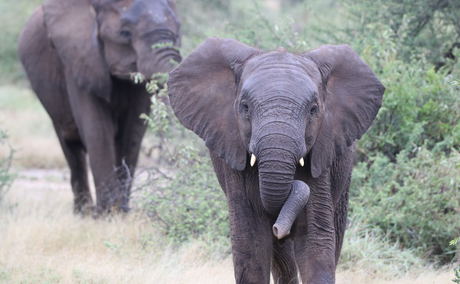
Safari Lingo: The Big Five
Thu May 23, 2024
Read This Article
Ever wondered about all that safari lingo? Don't get your trunk in a twist! From who are the Big Five (and why) to what they're called in the local language - here's our guide to naming the Big Five.
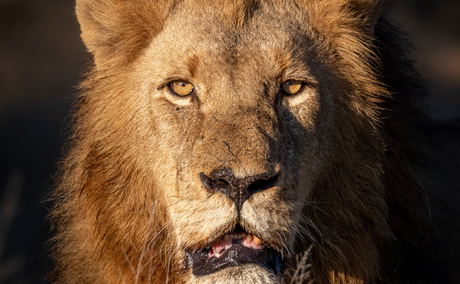
Debunking common wildlife myths!
Sat July 1, 2023
Read This Article
Did you know the cheetah is not actually the fastest animal on the planet? That accolade actually belongs to the Peregrine falcon, which can dive at speeds reaching a colossal 390km/h! Keep reading to uncover the truth behind more common myths and misconceptions about African wildlife.

Share This Post