

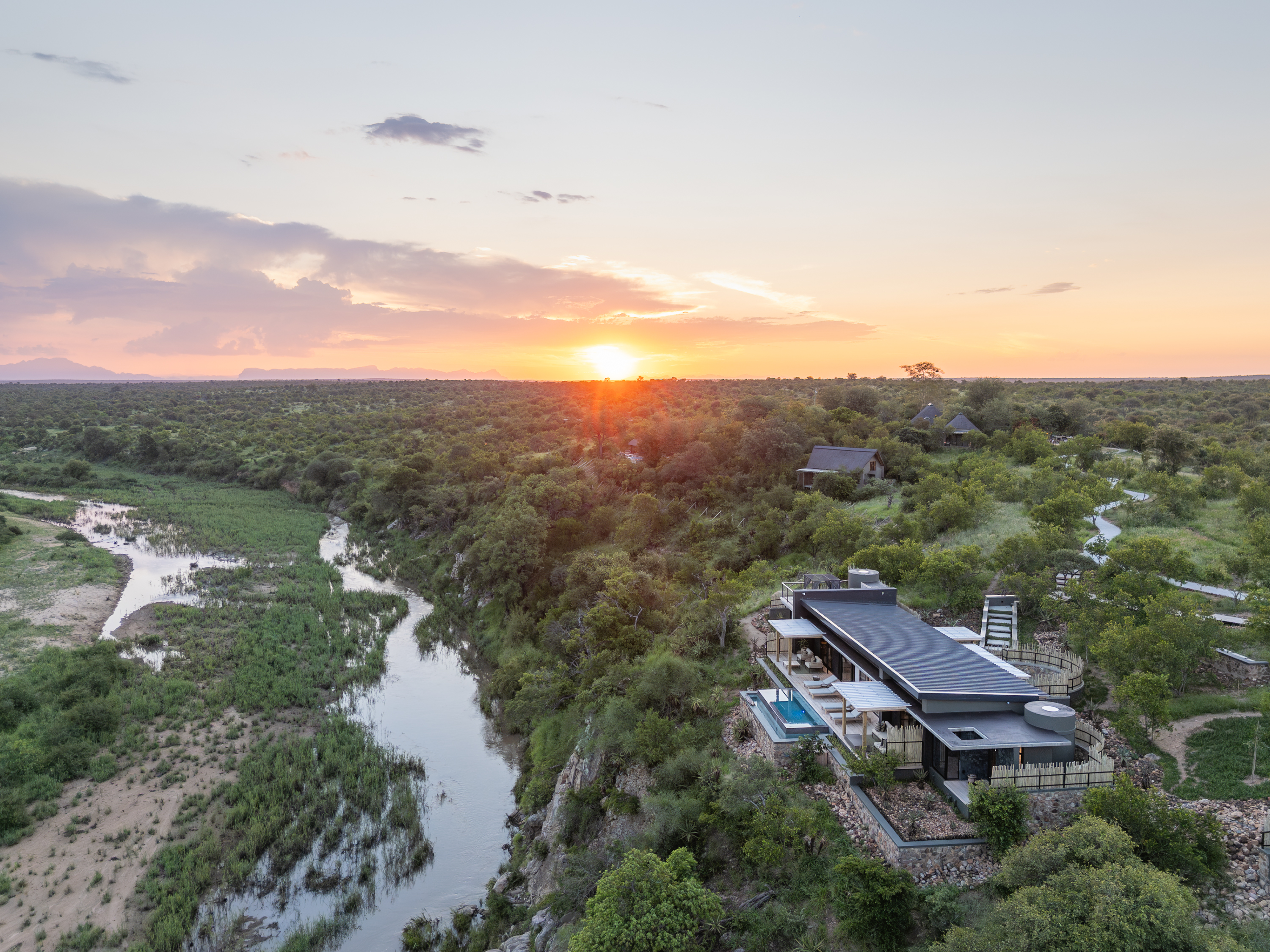
An exciting new chapter for Misava Safari Camp - launching our brand-new River View Villas with starbeds and plunge pools! Designed for groups, families, or those simply seeking an extra space and privacy, we can't wait for you to take a look around...
Floods and Wildlife - What happens when the river changes
Posted by Emily on Fri January 30, 2026 in Community and Conservation and Wildlife.
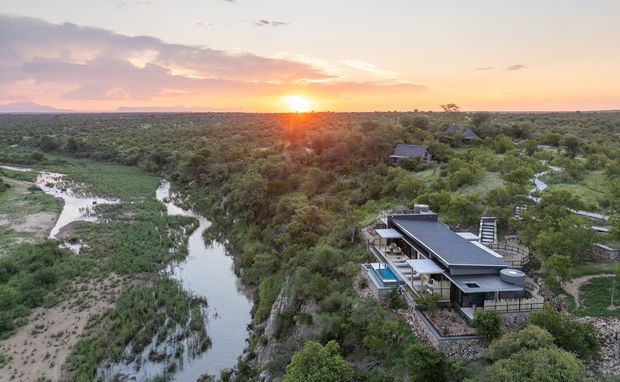
When heavy rains arrive and rivers begin to swell, it can feel sudden and unsettling from a human perspective. Roads disappear, bridges close, and familiar landmarks change almost overnight. But what about our wildlife? The recent flooding in the Lowveld - with levels of rainfall not seen in over 25 years - has prompted many to ask this very question. And while floods can certainly bring challenges, they also mark the beginning of renewal, abundance, and change. So, let’s take a closer look at how floods shape life for wildlife in the Greater Kruger.
Animals Sense Change Before We Do
Time and again, studies have shown that wildlife is far more deeply attuned to environmental cues than we are. Subtle shifts in air pressure, soil moisture, water flow, and even distant rainfall patterns signal change well in advance. Many animals move to higher ground long before flooding becomes visible to us, following instincts shaped over generations.
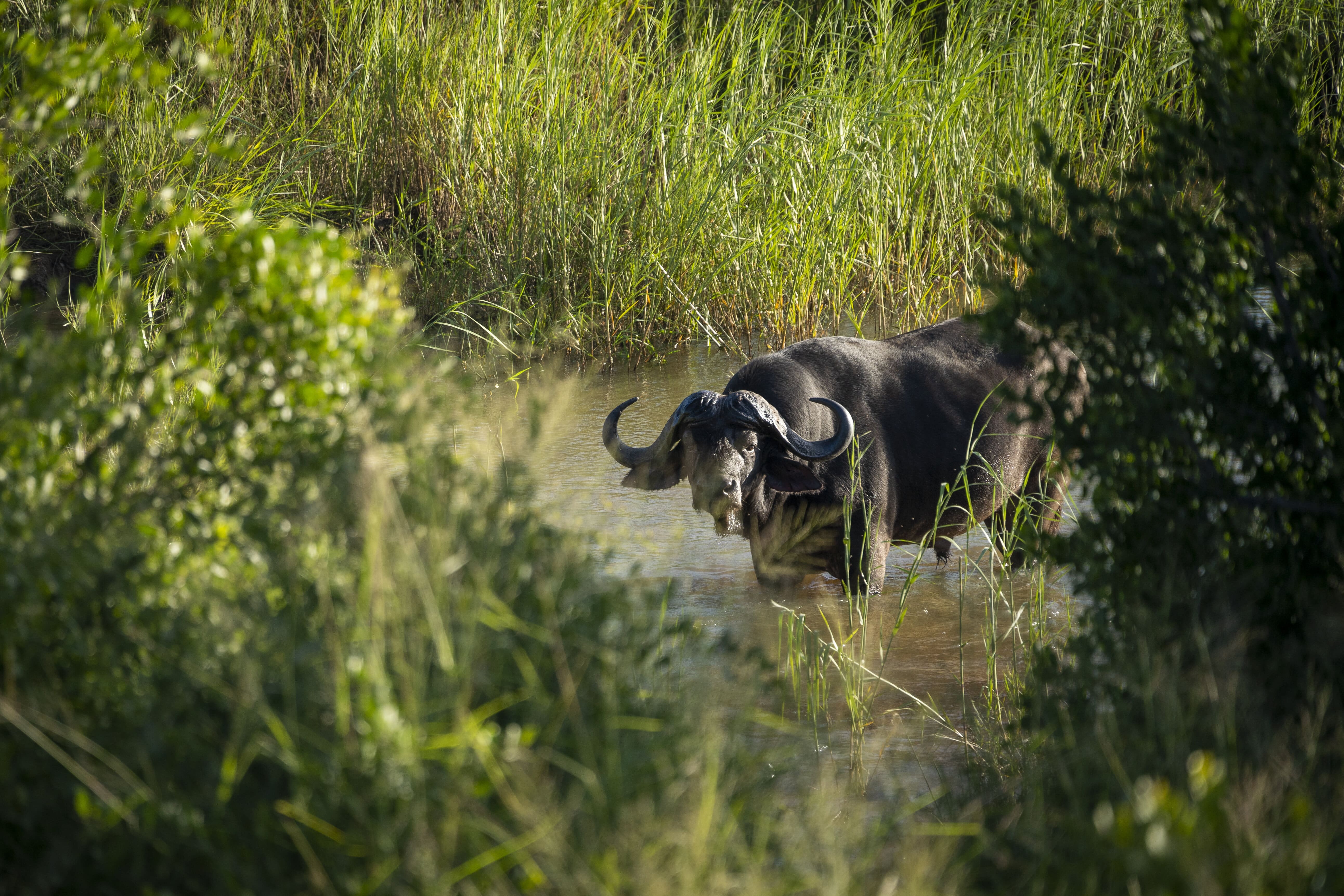
Large, mobile species such as elephants, buffalo, and giraffe are often able to relocate easily, while smaller animals rely on rocky outcrops, vegetation, or short bursts of movement to escape rising water. This early response is one of the reasons we don’t always see widespread panic during floods. To wildlife, these events are not anomalies - they are a natural part of this ecosystem.
Floods Bring Challenges and Renewal
That said, floods can still pose challenges, particularly when they are extreme or prolonged. In low-lying areas, small mammals, reptiles, and ground-dwelling insects are more vulnerable. Poorly placed nests and dens may be washed away and disrupted habitats can force animals to adjust their movements and routines. Yet, despite all this, the vast majority of wildlife will escape unscathed.
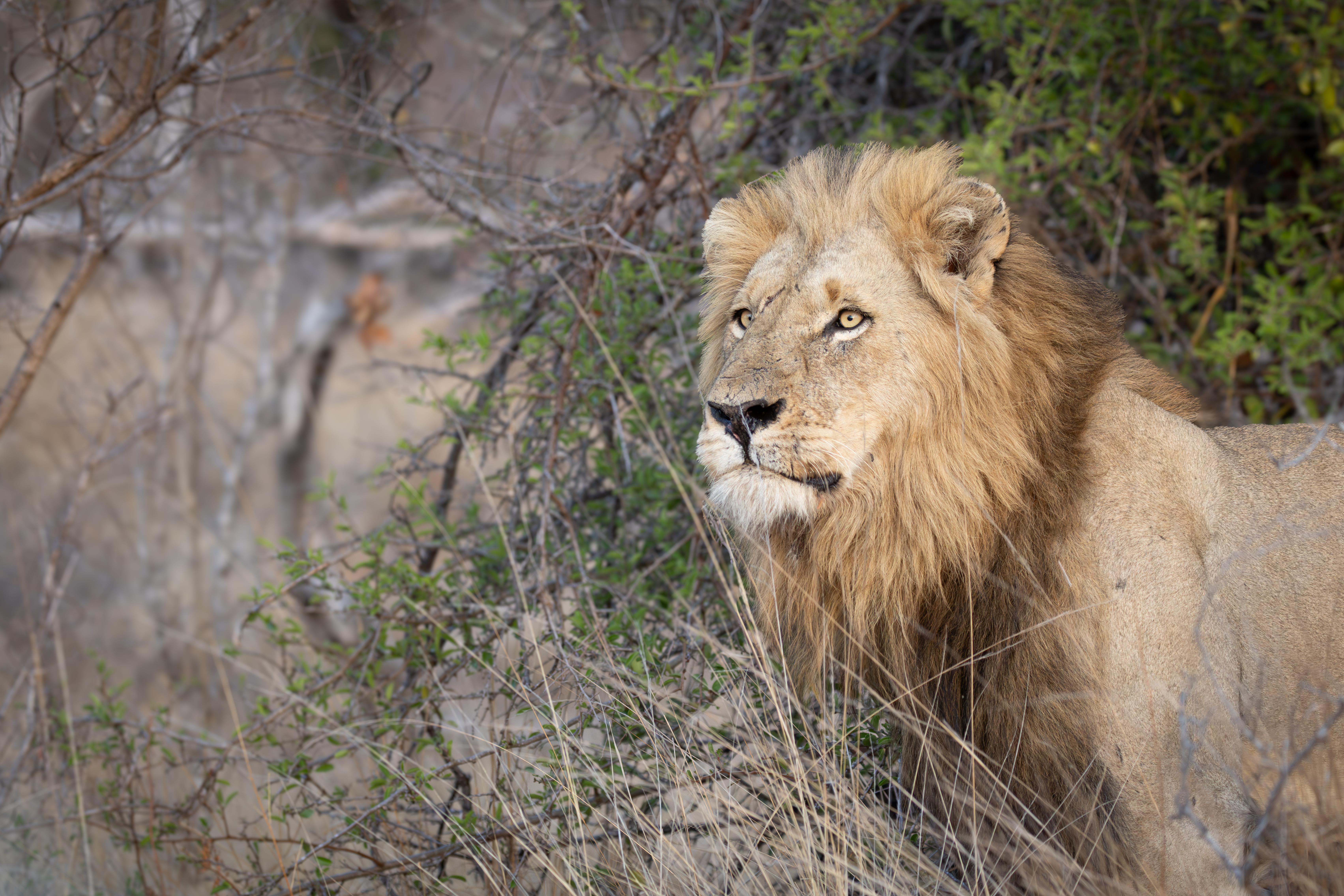
At Klaserie Drift, though our river bridge is currently submerged, water levels are dropping every day. The three dominant male lions, separated from the resident pride, can be seen patrolling along the riverbanks near the lodge, determined to recover their territory. It won’t be long before they can cross once more and reassert their dominance over central Klaserie.
Already, signs of renewal are everywhere. Dung beetles are returning in their droves, fresh growth emerges along the riverbanks, and opportunistic birds take advantage of newly accessible feeding areas. The bush, as it always does, adapts.
Rising waters have brought unexpected moments of beauty, too. Hippos dozing on newly formed sandbanks below camp - a rare and welcome sight - and even a flock of flamingos wading through the shallows, much to our astonishment. In the long term, nutrient-rich sediment deposits act like a natural fertiliser, boosting plant growth which, in turn, supports insects, herbivores, and ultimately predators higher up the food chain.
Community Comes Together
For those of us living and working here, times like these also highlight the strength of our community. We want to express a special thank you to our team, who have shown unwavering commitment. They have navigated the challenges of the floods with calm confidence - sharing resources, reassuring guests, and keeping everything running smoothly.
Here in the Klaserie, the rivers will continue to recede, crossings will reopen, and the landscape will knit itself back together. In the meantime, we are seizing the opportunity to pause after the bustle of a very full festive season. So, when normality does return, the bush will be greener and more fertile, and our staff will be refreshed and full of new stories.
Further Reading
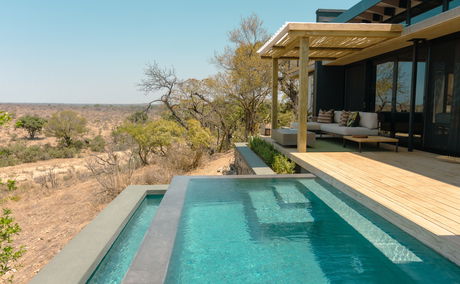
Safari Luxury for Groups and Families - Introducing Our River View Villas
Wed October 29, 2025
Read This Article
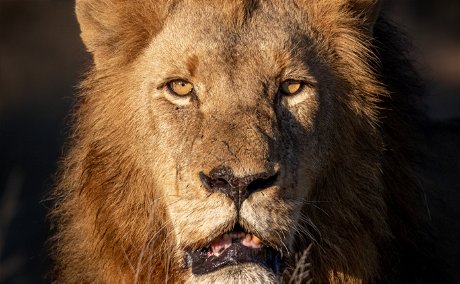
Debunking common wildlife myths!
Sat July 1, 2023
Read This Article
Did you know the cheetah is not actually the fastest animal on the planet? That accolade actually belongs to the Peregrine falcon, which can dive at speeds reaching a colossal 390km/h! Keep reading to uncover the truth behind more common myths and misconceptions about African wildlife.
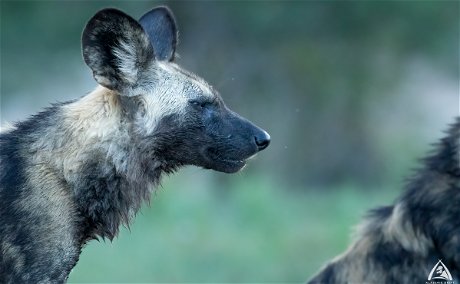
African wild dogs risk it all to cross the flooded Klaserie River!
Sun March 19, 2023
Read This Article
February 2023 will always be remembered for the arrival of the once-in-a-decade floods that inundated the Klaserie with a staggering torrent of water. However, at Klaserie Drift Safari Camps, the flood brought with it something even more spectacular. Keep reading to find out more...

Share This Post